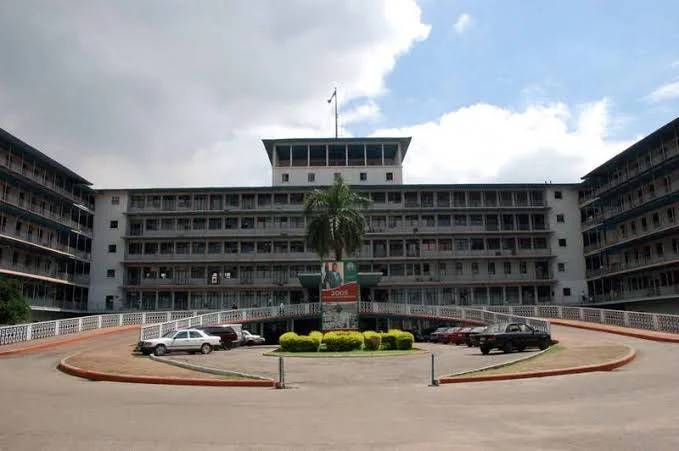
Resident doctors at the University College Hospital (UCH), Ibadan, have called off their month-long strike and returned to their duty posts following an agreement with the federal government.
The nationwide strike commenced on November 1 after the Nigerian Association of Resident Doctors issued a directive to its members, citing the government’s failure to address long-standing grievances.
Among the demands were a 200 percent pay rise in the Consolidated Medical Salary Structure, implementation of new allowances that had been proposed more than two years earlier in July 2022, urgent hiring of clinical personnel, and elimination of administrative obstacles that were delaying the replacement of departing medical staff.
UCH NARD president, Dr. Gboyega Ajibola, announced that the National Executive Council convened on November 29 to review progress in negotiations with the government. “We are pleased to report that the government has addressed most of our immediate and short-term demands,” Dr. Ajibola stated.
A Memorandum of Understanding was subsequently signed between NARD and the government, detailing specific timelines for implementing the agreed provisions. The document provides a clear roadmap for fulfilling the doctors’ demands within specified deadlines.
Based on the terms outlined in the MoU, NARD’s National Executive Council voted to suspend the strike, granting the government a four-week window to execute the agreed provisions.
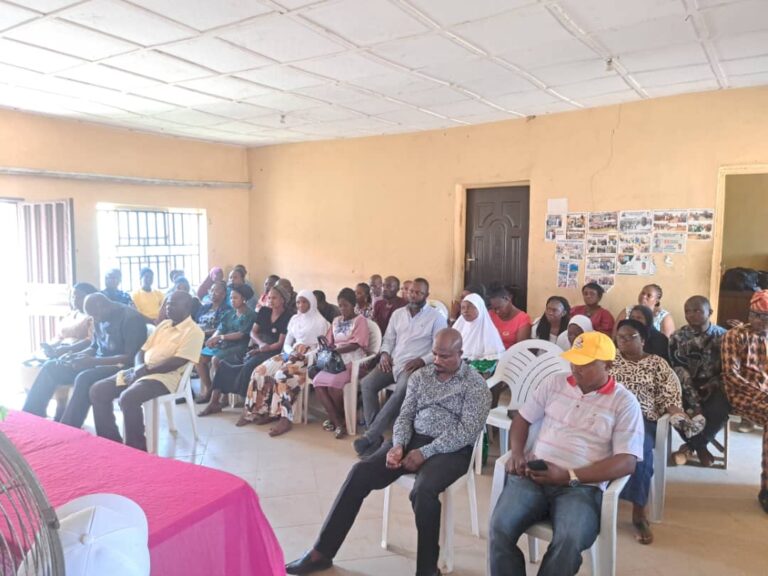
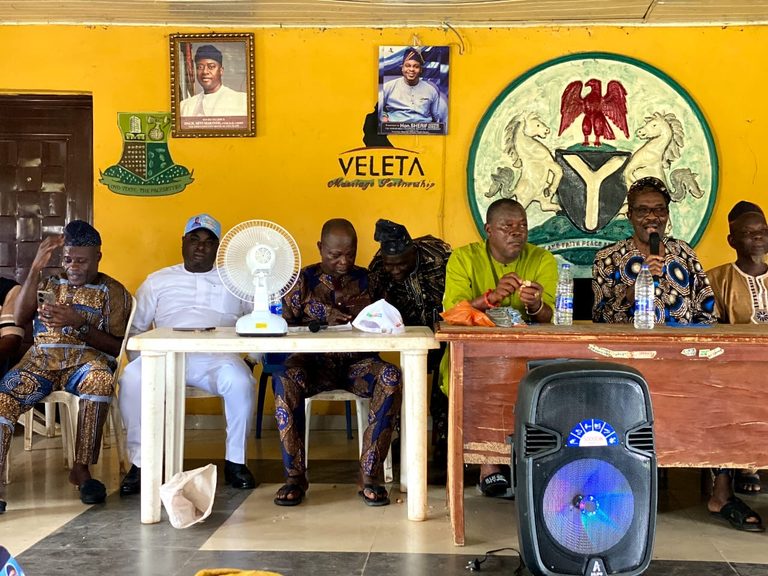
In keeping with the association’s standard practice, individual hospital chapters held congress meetings on December 1 to brief members on the negotiation outcomes. Following these briefings, chapter presidents directed all resident doctors to resume their clinical duties. All resident doctors at UCH officially returned to work on Monday, December 1, marking the end of the strike at the Ibadan facility.
However, the government now faces a four-week deadline to implement the terms of the MoU. While NARD has indicated it will closely monitor compliance with the agreement and may revisit its position if the government fails to meet its obligations within the stipulated timeframe.
About the Author